


Sustainable Cruising
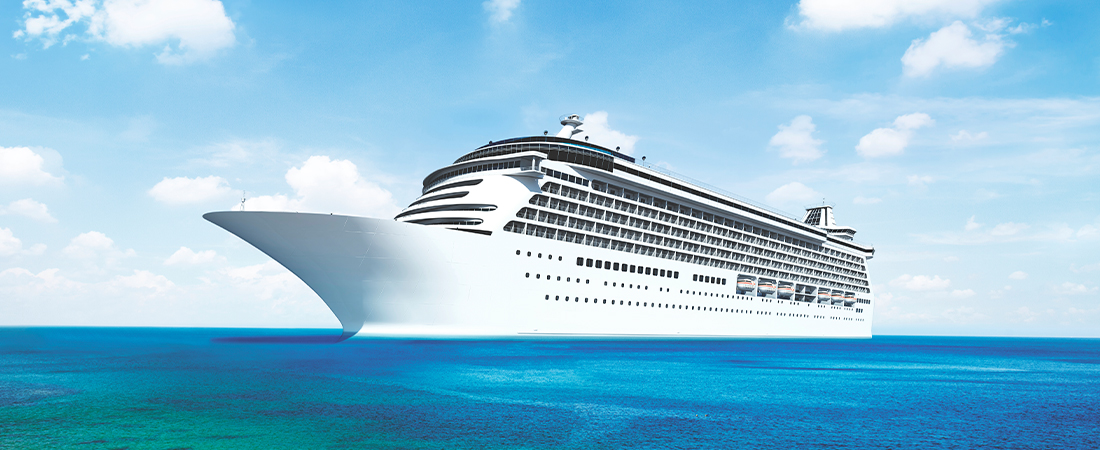
Sustainable Cruising: How Modern Cruise Ships Are Sailing Toward a Greener Future
Cruising has long been associated with refinement, relaxation, and unforgettable travel experiences. From ocean views and world-class dining to exciting destinations and onboard entertainment, cruise vacations continue to attract millions of travelers every year. At the same time, growing awareness about environmental responsibility has encouraged both travelers and cruise operators to rethink how the industry impacts the planet.
Today, sustainability has become an increasingly important focus across the global travel sector, and the cruise industry is actively evolving to meet changing expectations. Modern cruise lines are purchasing cleaner technologies, reducing waste, improving energy efficiency, and exploring innovative ways to minimize their environmental footprint while still delivering exceptional guest experiences.
As travelers become more environmentally conscious, sustainable cruising is no longer just a trend. It is becoming an important part of the future of ocean travel.
This article explores how the cruise industry is going green, the technologies shaping modern ships, and how passengers can support more responsible travel practices during their voyages.
Why Sustainability Matters in Cruising
Cruise ships are essentially floating cities. They require significant amounts of energy, water, food, fuel, and operational resources to support thousands of passengers and crew members simultaneously.
Because cruises operate across oceans, coastal regions, and environmentally sensitive destinations, sustainable practices are especially important for:
- Protecting marine ecosystems
- Preserving coastal communities
- Reducing air and water pollution
- Managing waste responsibly
- Conserving natural resources
As global environmental awareness continues to grow, travelers increasingly value businesses that demonstrate long-term responsibility and transparency regarding sustainability efforts.
Cleaner Fuel Technologies Are Changing the Industry
One of the highly significant environmental advancements in cruising involves cleaner fuel alternatives.
Traditionally, ships relied heavily on conventional marine fuels that produced higher emissions. Modern cruise lines are now focusing on cleaner energy solutions designed to reduce environmental impact.
Some newer ships use:
- Liquefied natural gas (LNG)
- Hybrid propulsion systems
- Advanced fuel optimization technologies
LNG-powered ships, for example, produce lower Sulphur emissions and reduced particulate pollution compared to traditional marine fuels.
Although no fuel source is completely impact-free, these innovations represent important progress toward cleaner maritime operations.
Energy-Efficient Ship Design
Modern cruise ships are being built with sustainability in mind from the earliest design stages. Engineers and designers now priorities energy efficiency in both large-scale systems and everyday operations.
Common energy-saving innovations include:
- Advanced hull designs that reduce drag
- Air lubrication systems beneath ships
- Smart climate control systems
- Energy-efficient lighting
- Improved insulation technologies
Even small adjustments across a ship’s operations can result in substantial reductions in fuel consumption over time.
Many cruise lines are also using digital monitoring systems that optimize energy use in real time based on weather conditions, passenger activity, and operational needs.
Waste Reduction Is Becoming a Major Priority
Waste management has become one of the cruise industry's key sustainability focuses. Modern ships generate large amounts of food waste, packaging materials, plastics, and other disposable items every day.
To address this challenge, many cruise operators are implementing:
- Advanced recycling programs
- Food waste reduction systems
- Water purification technologies
- Reduced single-use plastics
- Refillable amenity systems
Some ships now use sophisticated waste sorting and processing facilities onboard to separate recyclable materials efficiently.
Cruise lines are also replacing plastic straws, disposable cutlery, and single-use water bottles with reusable or biodegradable alternatives.
These small operational changes collectively contribute to significant reductions in waste generation.
Advanced Water Handling Systems
Protecting ocean ecosystems requires responsible wastewater management. Modern cruise ships now feature highly advanced water handling systems designed to process wastewater before discharge.
These systems help remove:
- Contaminants
- Harmful particles
- Excess nutrients
- Pollutants
Many ships now exceed international environmental standards by using purification technologies similar to those found in land-based handling facilities.
Additionally, some cruise lines have focused on onboard desalination systems that convert seawater into fresh water for ship operations, reducing pressure on local freshwater resources at destinations.
Shore Power Technology Reduces Port Emissions
When cruise ships dock at ports, they traditionally continue running engines to maintain onboard electricity and operations. This process can contribute to local air pollution in coastal cities.
To address this issue, many ports and cruise companies are adopting shore power technology, also known as cold ironing.
Shore power allows ships to:
- Connect directly to local electrical grids
- Shut down onboard engines while docked
- Reduce emissions near populated areas
As more ports install compatible infrastructure, shore power is becoming an important part of sustainable cruising strategies worldwide.
Sustainable Food Sourcing Is Growing
Food service is a central part of the cruise experience, and sustainability efforts increasingly extend into onboard dining.
Many cruise operators are now focusing on:
- Responsible seafood sourcing
- Locally sourced ingredients
- Seasonal menu planning
- Reducing food waste
- Sustainable agricultural partnerships
Some ships use digital systems to monitor food consumption patterns more accurately, helping reduce unnecessary overproduction.
Offering plant-based menu options has also become more common as travelers seek environmentally conscious dining choices.
Protecting Marine Wildlife and Ecosystems
Cruise routes often pass through ecologically sensitive regions, including coral reefs, marine sanctuaries, and coastal habitats.
To minimize environmental disruption, cruise lines are implementing measures such as:
- Safer navigation systems
- Wildlife protection guidelines
- Restricted speed zones
- Environmentally responsible anchoring practices
Crew training programs also educate staff about marine conservation and responsible operational practices.
Some cruise companies actively participate in ocean research partnerships and conservation initiatives that support long-term ecosystem protection.
Sustainable Excursions and Destination Partnerships
Sustainability is not limited to onboard operations. Cruise lines are increasingly collaborating with local communities and tour operators to promote responsible tourism practices at destinations.
This includes:
- Supporting local businesses
- Limiting environmental impact during excursions
- Encouraging cultural preservation
- Reducing overcrowding in sensitive areas
Eco-focused shore excursions, wildlife tours, and conservation-based experiences are becoming more popular among travelers seeking meaningful travel opportunities.
Responsible destination management helps ensure that tourism continues benefiting local economies without damaging cultural or environmental resources.
Digital Technology Is Reducing Paper Waste
Cruise ships traditionally relied heavily on printed schedules, brochures, menus, maps, and promotional materials.
Today, many cruise lines use digital systems and mobile applications that allow passengers to:
- View schedules electronically
- Make reservations digitally
- Access maps and event information online
- Use mobile boarding passes
Reducing paper usage supports broader sustainability goals while also improving convenience for guests.
How Passengers Can Support Sustainable Cruising
Sustainability is a shared responsibility, and passengers also play an important role in supporting environmentally conscious travel practices.
Travelers can contribute by:
- Reusing towels and linens
- Avoiding unnecessary food waste
- Using refillable water bottles
- Respecting wildlife during excursions
- Following recycling guidelines onboard
- Choosing environmentally responsible tours
Being mindful of resource use helps support the cruise industry’s broader sustainability efforts.
Even small actions from individual travelers can collectively make a meaningful difference.
Challenges the Cruise Industry Still Faces
While significant progress has been made, sustainable cruising remains an ongoing challenge.
The industry continues working to address concerns related to:
- Carbon emissions
- Fuel dependency
- Port congestion
- Marine ecosystem protection
- Large-scale waste management
Developing fully carbon-neutral cruise operations remains complex and will require continued fiscal focus, technological innovation, and international collaboration.
However, many cruise companies are setting long-term sustainability targets and increasing transparency regarding environmental performance.
The Future of Green Cruising
The future of cruising will likely involve even more advanced sustainability innovations.
Emerging developments may include:
- Alternative low-emission fuels
- Battery-assisted propulsion systems
- Hydrogen-powered technologies
- Artificial intelligence for energy optimization
- Improved carbon reduction programs
As travelers continue prioritizing responsible tourism, sustainability will likely become a defining feature of modern cruise experiences.
Cruise lines that successfully balance refinement, comfort, and environmental responsibility may help shape a more sustainable future for global tourism.
Final Thoughts
Sustainable cruising represents an important evolution within the travel industry. As environmental awareness grows worldwide, cruise companies are adapting through cleaner technologies, waste reduction efforts, energy-efficient designs, and more responsible operational practices.
While challenges remain, the progress already being made demonstrates the industry's commitment to creating a more environmentally conscious future for ocean travel.
For travelers, sustainable cruising offers the opportunity to enjoy unforgettable experiences while supporting responsible tourism practices that protect oceans, coastal communities, and marine ecosystems for future generations.
Choosing environmentally aware travel habits, supporting responsible cruise operators, and staying informed about sustainability initiatives can all contribute to a more balanced and thoughtful way to explore the world by sea.
As innovation continues to shape the future of cruising, greener voyages may soon become the standard rather than the exception.