


Cruise Etiquette Guide
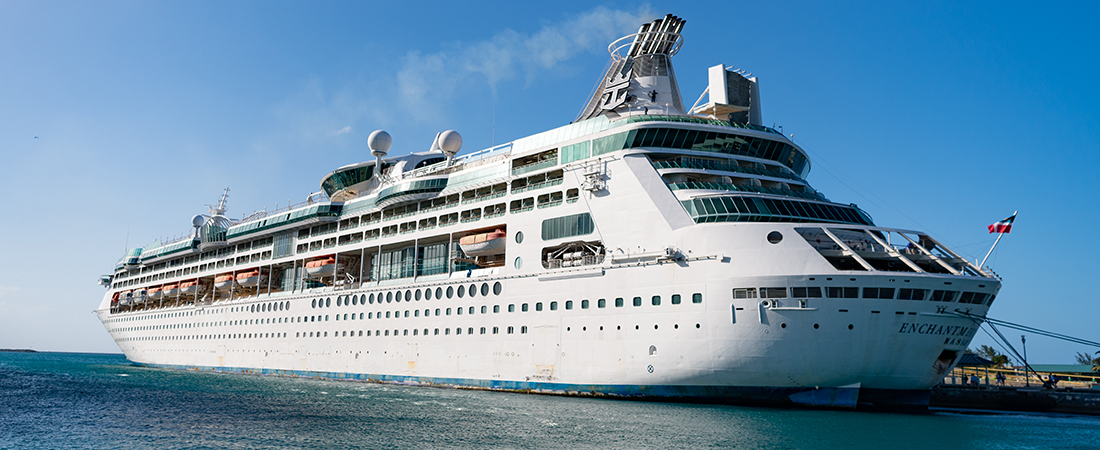
Cruise Etiquette Guide: Essential Do’s and Don’ts Every Smart Traveler Should Follow
Cruising offers a unique blend of relaxation, entertainment, dining, and adventure, all while travelling between exciting destinations. Whether you are embarking on your first voyage or returning for another ocean escape, understanding proper cruise etiquette can make the experience smoother and more enjoyable for everyone onboard.
Unlike other holidays, cruises place thousands of passengers together in a shared environment for several days or even weeks. Respectful behavior, consideration for fellow travelers, and awareness of ship etiquette help create a pleasant atmosphere throughout the journey.
While cruise ships are designed for comfort and fun, certain habits and behaviors can affect the experience of others. Knowing the simple dos and don’ts of cruise travel can help you avoid awkward situations, enjoy better service, and enjoy your vacation to its fullest.
This guide covers essential cruise etiquette every traveler should know before stepping onboard.
Do Arrive on Time for Embarkation
One of the highly important rules of cruise travel is punctuality. Cruise ships operate on strict schedules, and delays can affect thousands of passengers.
Arriving early for embarkation allows enough time for:
- Check-in procedures
- Security screening
- Boarding documentation
- Settling into your cabin
Rushing at the last minute creates unnecessary stress and may even risk be missing the ship. Planning transportation cautiously and allowing extra travel time can help your vacation begin smoothly.
Don’t Ignore Safety Briefings
Many travelers are eager to explore the ship immediately after boarding, but safety instructions should never be overlooked.
Cruise lines conduct mandatory safety drills before departure to ensure passengers understand:
- Emergency procedures
- Muster station locations
- Life jacket instructions
- Evacuation protocols
Paying attention during these briefings is both respectful and responsible. Safety procedures exist to protect everyone onboard.
Do Respect Personal Space
Cruise ships are social environments, but personal space still matters. Elevators, dining areas, pool decks, and entertainment venues can become crowded, especially during peak hours.
Simple courteous habits include:
- Waiting patiently in lines
- Avoiding pushing through crowds
- Giving others room in shared spaces
- Keeping conversations at a considerate volume
Being mindful of the people around you help maintain a comfortable atmosphere throughout the ship.
Don’t Reserve Pool Chairs for Hours
One of the highly common cruise frustrations involves passengers reserving pool chairs for long periods without using them.
Leaving towels or personal items on chairs while disappearing for hours prevents others from enjoying the space. Many cruise lines now remove unattended belongings after a certain period.
If you are not actively using your chair, free it for someone else. Sharing public spaces fairly contributes to a more positive onboard environment.
Do Dress Appropriately for Different Areas
Cruise ships often have dress guidelines depending on the venue or time of day. While daytime attire is usually relaxed, some dining rooms, lounges, and evening events may require smarter clothing.
Respecting dress expectations shows consideration for the atmosphere the cruise line aims to create.
Typical guidelines include:
- Swimwear for pool areas only
- Casual attire for daytime activities
- Smart casual clothing for dining rooms
- Formal wear for themed evenings or gala nights
Checking the daily schedule or cruise app can help you prepare appropriately.
Don’t Be Excessively Loud in Cabins or Hallways
Cabins are located close together, and noise easily travels through corridors and walls. Loud conversations, music, slamming doors, or late-night gatherings can disturb neighboring guests trying to relax or sleep.
Practicing quiet behavior in hallways and cabin areas, especially during nighttime hours, is one of the simplest ways to show respect to fellow travelers.
Using headphones and lowering voices late at night can make a significant difference.
Do Be Polite to Crew Members
Cruise ship staff work hard to create a welcoming and enjoyable environment for passengers. From housekeeping teams to dining staff and entertainment crews, employees often work long hours behind the scenes.
Simple gestures such as:
- Saying “please” and “thank you”
- Greeting staff warmly
- Being patient during busy periods
- Following crew instructions respectfully
can create positive interactions throughout your journey.
Kindness and patience are always appreciated onboard.
Don’t Cut Buffet Lines
Buffets are popular dining options on cruise ships, particularly during breakfast and lunch hours. However, crowded food stations can quickly become frustrating when passengers ignore basic etiquette.
Avoid:
- Reaching across others
- Skipping lines
- Taking excessive portions
- Hovering impatiently near serving stations
Instead, move steadily through the buffet area and allow everyone fair access to food and seating.
Good dining manners improve the experience for everyone onboard.
Do Wash or Sanitize Your Hands Frequently
Cruise ships prioritize cleanliness because thousands of passengers share common areas daily. Hand hygiene plays an important role in keeping the environment appropriate and comfortable.
Many ships provide sanitizing stations nearby:
- Dining areas
- Elevators
- Entertainment venues
- Entrances to restaurants
Using them regularly protects both you and fellow travelers.
Good hygiene is one of the easiest ways to contribute positively to the cruise experience.
Don’t Overindulge in Alcohol
Cruises often include lively entertainment, bars, and social gatherings, but excessive drinking can quickly result in disruptive behavior.
Overconsumption may result in:
- Loud or inappropriate conduct
- Accidents or injuries
- Conflicts with other passengers
- Missed excursions or activities
Enjoying beverages responsibly helps maintain a safe and pleasant atmosphere for everyone onboard.
Moderation allows you to fully enjoy the experience without unnecessary problems.
Do Respect Excursion Schedules
Shore excursions operate on thoughtfully planned schedules, and returning late can affect the entire group.
When visiting ports:
- Keep track of departure times
- Allow extra travel time back to the ship
- Carry required identification
- Follow excursion guidelines
Cruise ships generally do not delay departure for late passengers who are travelling independently.
Staying organized ensures a stress-free return to the ship.
Don’t Use Phones Loudly in Quiet Areas
Many passengers seek relaxation while cruising, especially in lounges, spas, libraries, or observation decks.
Speaking loudly on phones or playing videos without headphones can disturb others who are trying to unwind.
If you need to take a call:
- Move to a less crowded area
- Keep your voice low
- Use headphones for audio content
Thoughtful phone use helps maintain peaceful shared spaces.
Do Follow Photography Courtesy
Cruise vacations create many memorable moments, but photography etiquette still matters.
Be considerate by:
- Avoiding blocking walkways for photos
- Asking permission before photographing strangers
- Respecting no-photography rules during performances
- Being mindful of flash photography
Courtesy during photo-taking allows everyone to enjoy activities comfortably.
Don’t Forget Elevator Etiquette
Elevators on cruise ships can become crowded quickly, especially during meal times or after entertainment events.
Helpful practices include:
- Allowing passengers to exit before entering
- Waiting patiently for the next elevator if full
- Avoiding overcrowding
- Using stairs for short distances when possible
Small acts of patience help reduce congestion and frustration.
Do Tip Appropriately if Applicable
Many cruise lines include gratuities automatically, while others allow passengers to tip separately.
If tipping is not included, rewarding exceptional service is generally appreciated. Crew members often rely on gratuities as part of their income.
Checking your cruise line’s gratuity policy beforehand helps avoid confusion during the trip.
Don’t Smoke Outside Designated Areas
Cruise ships maintain strict smoking policies for safety and passenger comfort. Smoking is usually limited to designated outdoor areas.
Smoking in non-eligible spaces, including cabins or balconies, may result into fines or penalties.
Following smoking regulations helps maintain safety and comfort for everyone onboard.
Do Be Considerate During Entertainment Shows
Theatres and onboard performances are popular highlights of cruise vacations. Arriving on time and respecting fellow audience members contributes to a better experience.
Good theatre etiquette includes:
- Silencing phones
- Avoiding loud conversations
- Remaining seated during performances
- Minimizing disruptions when entering or leaving
Respectful audiences help everyone enjoy the entertainment fully.
Don’t Waste Food or Resources
Cruise ships provide abundant dining options, but taking more food than you can eat contributes to unnecessary waste.
Similarly, excessive use of towels, water, or disposable items impacts onboard operations and sustainability efforts.
Being mindful of consumption supports more responsible travel practices.
Final Thoughts
Cruise etiquette is ultimately about respect, awareness, and consideration for the people sharing the journey with you. Simple habits such as being punctual, polite, hygienic, and patient can significantly improve the onboard experience for both passengers and crew members.
Cruising combines relaxation with shared experiences, making courtesy especially important in close community settings. Following these essential dos and don’ts allows everyone to enjoy the atmosphere, amenities, and destinations more comfortably.
A memorable cruise is not only about beautiful ports and refined amenities. It is also shaped by the positive interactions and respectful behavior that create a welcoming environment throughout the voyage.
By practicing thoughtful cruise etiquette, you can help ensure a smoother, more enjoyable sailing experience for yourself and everyone around you.